Fire up the... Vauxhall Cascada

FORGET any ideas of this being a sports car. Even though it’s a swoopy two-door offering with a droptop roof and the word ‘Turbo’ in its name, to blast down the backroads is to miss the point of this al-fresco offering from Vauxhall.

Nope, the Cascada’s charms are altogether more grown up – four plump seats, a traditional, soft-top roof which stows away electrically in 12 seconds and endless opportunities to improve your tan. Enjoying this Astra-based open top tourer is all about relaxing, taking in the scenery, and letting the car’s supple suspension take the strain.

That’s why the Cascada is smooth and cosseting to drive rather than livewire, firm and immediate – in fact, the composed, chilled out way its front-wheel-drive underpinnings take corners is immediately familiar to anyone who’s piloted an Astra or Insignia for any meaningful mileage. The ride, in particular, is superb, with the uncomfortable shakes and vibrations of big cabriolets from a generation ago (Saab 900 Convertible, anyone?) all but a distant memory.

In fact, the only real weak link in the Cascada’s easy-going chain is that turbocharged engine – it’s a 170bhp 1.6 litre petrol lump and it’s far from lacking in pace, but the way it revs and scrabbles to put down its power is utterly at odds with the rest of the car’s character. The silky smooth, unstressed urge of a big V6 is what this car really deserves, but in this cost-conscious day and age the best engine the Cascada range offers is Vauxhall’s superb 2.0 litre turbodiesel.

One thing that is consistent through the range, however, are the looks; it’s not going to grace any bedroom wall posters any time soon, but you can’t deny the Cascada’s handsome in a restrained, intelligent sort of way. There’s an argument it’s not only better looking than Renault’s Megane CC, but BMW’s open-top 3-Series too.

Vauxhall’s biggest challenge is going to be persuading image-conscious convertible connoisseurs that the saving over a BMW 3-Series or an Audi A5 is worth forgoing the street cred of the German rivals. However, there’s still a gap left where the Saab 9-3 convertible left off.

In the Cascada, the company’s got a convertible capable enough of exploiting it.
Blog, Updated at: 2:14 PM

Fire up the.... Suzuki Swift Sport (again)

THE Suzuki Swift Sport isn't perfect and it's a car of few superlatives, but it is brilliant.

That’s exactly the verdict I reached two years ago when I last drove the Japanese firm’s addictively entertaining junior hot hatch, and just about the only thing I could find to mark it down on was that it lost a little of the Mk1 version’s edge by becoming a little better in just about every other area. It was – and still is – a superb little streetfighter of a car which punches well above its weight.

Why then, the need to test it again?

Put simply, Suzuki has opened doors to anyone previously put off by the sprightliest of the Swifts. In true pocket rocket tradition, the Swift Sport has until very recently only been available as a three-door hatchback, a configuration which benefits its aggressive stance and suits the model’s youthful target market perfectly, but it means plenty of keener drivers with families to look after have had to look elsewhere. That’s why it’s great to see Suzuki finally offering the Sport with the full five-strong compliment of doors, as you can get throughout the rest of the Swift range.

Happily, the £500 translation from three-door to five-door hasn’t affected the aesthetics – true, a five-door is never going to look as single-mindedly sporty, but you still get the deep double grille at the front, a cheeky spoiler, a twin helping of exhausts at the back, and some added practicality in the middle.

Anyone looking for a polished all-round supermini isn’t going to find the Swift perfect –with the best will in the world, it’s starting to show its age – but keen drivers will forgive it because of the consistently smile-inducing way it craves corners and the revvy demeanour of its 1.6 litre, 136bhp engine.

There’s a wonderfully old-school charm to its handling and the whole car begs you to take it by the scruff of its neck and make the most of its petite dimensions. It is, to all extents and purposes, a sort of Greatest Hits compilation of all the best characteristics of the classic hot hatches of the 1980s, and all the more loveable for it.

It’s just that, with a £14,499 price tag, five doors and a very 2014 helping of safety clobber, it’s vaguely sensible too.
Blog, Updated at: 2:41 PM

Fire up the... Dacia Sandero 1.2 Access

THE Nokia 3310 is one of the world’s best selling mobile phones.

There was a time when everybody seemed to have one, and in a way I miss its simple, unpretentious charms. Why spend a fortune on a slick, 4G-guided piece of smartphone technology which can shoot movie footage and let you play Angry Birds simultaneously which you need to charge up every few hours? What was wrong with a cheap, no-frills phone which does nothing other than call your mum and text your mates, but lasted four days on a single charge and was practically indestructible? 

The same argument goes for cars too – there are far too many motors these days with radar-guided cruise control and iPod connectivity, but not nearly enough which offer the four-wheels-and-a-roof simplicity plenty of today’s recession ravaged drivers are looking for.

Which is where Dacia’s £5,995 entry-level Sandero – drumroll please, Britain’s cheapest new car – steps in.

For your fiver short of six grand it’ll have to be the base Access version, which manages to contradict Henry Ford by coming in any colour you like as long as it’s white, with some black bumpers and 15-inch steel wheels to let passers by know you’ve opted for this Nokia 3310 of cars.

Not surprisingly, it’s deliberately deprived of many of the luxuries you’d expect from a new hatchback in 2014, with the windows firmly of the wind-up variety and the cheap, plastic dashboard lacking the plethora of buttons you’d get in most other supermini offerings. However, you really can’t deny that in terms of offering a brand new and reasonably well built family car for as little as possible it hits a bullseye; the days of Britain’s cheapest new car being badly thrown together Eastern Bloc obscurities are long gone. 

The  Sandero masters offering four seats, four doors a roof and reliability but little else besides. The 75bhp 1.2 litre petrol engine, for instance, isn’t especially refined and feels gutless compared to other offerings of its size. There is an innate ability hidden within the Renault-engineered hatchback’s handling, but the harshness of the noise and vibrations mean it’s not something you’d particularly enjoy using on a longer journey.

More worryingly, I’m not even convinced that it particularly excels at being value for money. Throw in even basic equipment you’d get as standard elsewhere and the price quickly stacks up – for the sake of an extended warranty, a spare wheel and a CD player the Sandero I tested became a £6,245 car – and heavy depreciation means most of the money you save initially is unlikely to be recouped when you sell up. That’s before you get to the intelligent question of warranty, because while Kia’s entry-level Picanto might cost two grand more than the Sandero, you get a far more modern design with a seven year warranty as standard.

The prospect of having a brand new car on your drive for less than six grand might sound pretty tempting, but I’m struggling to make the sums add up.

Blog, Updated at: 12:54 AM

Fire up the... Alfa Romeo 4C

YOU know as soon as you sink into the 4C’s leather-lined bucket seats that it isn’t like Alfa’s other offerings.

True, this slice of Italian exotica might share the same turbocharged 1.8 litre engine that you’ll find in the range-topping versions of the family-friendly Giulietta, but it’s been tuned to 240bhp. It’s also mid-engined, rear-wheel-drive and offers up room for you and just one of your friends in its snug cockpit, making it feel more like a Ferrari that shrunk in the wash!

The first thing you’ll notice when clambering in through the 4C’s curves is that it’s left-hand-drive, but don’t let that put you off if you’re in the lucky position of being able to afford one of the Milan manufacturer’s most striking offerings in years. It’s very similar to the cheaper Lotus Elise in terms of its size, and layout, and while its supercar-esque haunches make the 4C initially feel wider than it really is it soon shrinks around you and inspires plenty of confidence.

With the carbonfibre-clothed 4C weighing just 895kg, Alfa didn’t bother with power steering, and it’s all the better for it. Its low centre of gravity and light weight means this car thrives on tight, twisty roads, entertaining you with its feel and handling and utterly charming you with the charismatic howl from the engine and the whoosh of the turbocharger when you press on. The double clutch gearbox, operated from paddles mounted on the steering wheel, is also a joy to use, and you’re soon left in doubt the 4C is a truly special set of wheels to drive.

In fact, the only real letdown is that the interior doesn’t wow you in the way that wonderfully curvaceous exterior does – anyone familiar with the Giulietta or MiTo will feel instantly at home, but when you’re driving it’ll be other motorists appreciating the aesthetics most.

It might also seem expensive – particularly because the particular test car I drove came with a handling pack, costing an extra £3,500 on top of the £45,000 starting price. Think of it as a shrunken Ferrari, however, and it suddenly makes sense.

The 4C has the looks, the presence and the noise fit for any Italian supercar – it just happens to cost the quarter of the price of a 458 Italia. Count me in!
Blog, Updated at: 7:53 AM

SMMT Test Day 2014 - Plenty of car reviews on the way!

IT’S not every day you get to drive not only Britain’s cheapest new car, but also one of Britain’s most expensive.

They’re just two of the new motors I’ve managed to get behind the wheel of at the Millbrook Proving Ground in Bedfordshire, where I’ve joined fellow automotive hacks at the SMMT’s annual test day. In all, I managed to find out whether 16 new cars are worth your hard-earned cash, and over the next few months I’m looking forward to letting you know my findings in full both on here and in The Champion.

Until then, however, I can share the follow nuggets of automotive enlightenment which I picked up from a packed day of road testing:

  • The Rolls-Royce Phantom Series II is not, as you might imagine given the prices, fifty times better than the entry-level Dacia Sandero. The rest of my life, however, will feel slightly poorer as a result of having briefly sampled the height of four-wheeled opulence.  

  • The Suzuki Swift Sport, even though it’s getting on a bit, is still one of the best hot hatches out there. Find out which flimsy excuse I’ve used to roadtest it again in a few weeks’ time… 

  • As I’ve suggested after previous visits to Millbrook, the electric offerings are getting better every year, especially if the evidence presented by Volkswagen’s e-up and BMW’s i3 are anything to go by. 

  • I can completely understand why the learned scholars who make up the European Car Of The Year panel opted for the latest Peugeot 308 as their choice this year.

  • Lexus should put the original LS400 back into production, if the popularity of their early example at Millbrook was anything to go by. 

  • The Jaguar F-type’s price might raise your eyebrows, but the noise it makes will definitely lower your jaw. 

  • MG’s latest offerings aren’t as bad as their critics make out, but nor as they good as some of the marque’s defenders would have you believe. 

  • Without wanting to sound like Jeremy Clarkson, what the Ford Fiesta could definitely do with is a bit more power. 

While the recurring theme with too many of this year’s offerings was a sense of being accomplished at the expensive of character, there were plenty of gems among the 160 cars brought along by the world’s car manufacturers to this year’s Millbrook event.

I’m looking forward to letting you know over the next weeks which ones I really rate.

BMW's i3 is among the electric car entries showing the eco-friendly contenders are getting better every year

The day marked the first chance for many UK journalists to try out the new Alfa Romeo 4C

 
Lexus showed off the LS400 alongside its modern day equivalent, the LS600h

The F-type was among the most sought-after entrants - it's a good thing Jaguar brought five along!

McLaren's P1 supercar was only a static display, but the 650S had plenty of takers

MG Motor UK brought along a quartet of MG3 hatchbacks for journalists to assess
Blog, Updated at: 11:34 AM

Prepare to fire up the... Kia pro_cee'd GT

FAST, frantic, furious and just a little bit front wheel drive. There are certain qualities you need if you’re looking a bit of hot hatch heaven.

Regular readers will already know I’m a big fan of family hatches made fruitier through revvier engines, bigger suspension and sportier suspension, and while there have been a couple of rear-drive and four-wheel-drive deviations it is by and large a recipe for motoring fun that’s worked a treat for more than 40 years. In fact, more than 50 years if you count the original Mini Cooper – which was only ever a two-door saloon, of course – as the one that started it all.

Now the Koreans are having a crack with – unless any automotive anoraks out there can suggest otherwise – the country’s first fully-fledged hot hatch, the Kia pro_cee’d GT. The outward signs are that it’ll have the firepower to take on the establishment, thanks to a trick taken straight from chapter one, verse one of The Hot Hatch Bible; strap a ruddy great turbocharger onto your engine of choice, in this case Kia’s 1.6 ‘Gamma’ petrol lump. The end result is 201bhp and – if we’re being really petrolhead about it – a power to weight ratio of 157bhp per tonne.


It’s also got a seven year warranty and a keen starting price - £19,995 – in its favour but what really gets it for me is the way it looks. Kia’s head honcho of styling these days can count the original Audi TT among the achievements on his CV, and while I’m not going to pretend the pro_ceed’s shape is quite THAT swoopy, it’s not one that’s going to give your children nightmares either.

I can’t wait to get a go, and I’ll let you know whether it’s on the ball dynamically as soon as I do. Would you opt for a Kia hot hatch as your motoring weapon of choice in your next battle at the lights?

Sponsored post
Blog, Updated at: 10:32 AM

Fire up the... Vauxhall Corsa 1.4 SRI

LIKE garnishing an omelette with a helping of jalapeños, Vauxhall’s hoping that treating its supermini to the sporty SRI treatment will give the Corsa some added spice.

While it’s not the hottest Corsa on offer – that honour going to the track day fan’s favourite, the VXR Nürburgring – this SRI screams potential, thanks to the 17-inch alloy wheels and the bodykit inspired by its leerier big brother. But before I can find out whether it’s as enticing to drive as it to behold, it’s time to get a confession out of the way. Over the past few years I’ve driven a couple of Corsas – primarily the 1.0 litre Ecoflex and the 1.2 petrol versions – and haven’t exactly heaped praise on them.

Happily, things get off to a good start with the SRI once you hop inside – the red stitching on the steering wheel and the scarlet seat surrounds immediately give you the air of being inside something a bit special without straying into boy racer territory, and it’s more than comfortable and amply equipped for its £15,600 price tag. It suffers from the same enormous blind spots as its Corsa siblings, but that aside it’s somewhere you’ll enjoy being on even the longest of trips.

Thanks to its clever variable valve timing system the 1.4 petrol engine offers up plenty of punch without resorting to turbocharging, but because the real oomph’s only to be discovered above 3,000rpm it’s a car that encourages you to drive it by the scruff of its neck – probably the reason why I only managed, despite my best efforts, to get a shade over forty to the gallon in it. It’s great for rev-happy blasts along country lanes, but effortless motorway overtaking really isn’t the SRI’s strong suit.

It’s a similarly mixed bag when you get to the corners too, because while it handles with plenty of aplomb the steering is nowhere near sharp enough to encourage a keen driver to start enjoying it. The SRI is keenly priced, handles well and is still one of the best looking superminis on the market – particularly after Ford’s not entirely successful facelift of the Fiesta – but in every other respect it’s comprehensively outclassed not just by the Fiesta, but by Peugeot’s 208 as well.
 It’s got plenty to offer, but until Vauxhall’s new Corsa comes on stream next year I couldn’t really recommend it.
Blog, Updated at: 8:32 AM

Fire up the... Kia Picanto 1.0

KIA'S city car contender, for all its snazzy styling, is all about the numbers. Three or five doors, seven years of warranty, 67 claimed miles to every gallon and yours for a shade under eight grand.

There is, however, one figure in particular that defines this 1.0 litre, entry level twist on the pretty Picanto; the three cylinders you get under the bonnet. It makes an interesting, offbeat throb when you put your foot down, which is infinitely nicer, to my mind at least, than the 2CV-esque rattle you get from Fiat's TwinAir offerings. The only problem is you'll be doing that a lot, because this emphatically not a fast car.

The 1.0 litre triple, great though it sounds, really makes a meal out of moving you about, forcing you to hunt through the rev range to get the best out of it. That, in turn, ruins the real world fuel economy, and the owner of the particular car I borrowed struggles, despite his best efforts, to better 40 to the gallon around town. Weirdly, it reminds me of the Mini 1000 I had as my first car - it actually did less to the gallon than the 1.3 that replaced it simply because you had to work it harder. I reckon you can pull of the same trick with the Picanto; be smart, save up and go for the extra oomph of the 1.2 litre, four-cylinder version.

The rest of the Picanto package, however, fares rather better. It looks great, it's cheap, both to buy and run, the seven year warranty is something Kia - quite rightly - are particularly proud of, and on the inside it feels substantial in a way neither the Panda nor the Aygo/C1/107 triplets manage. All of which brings me to what I reckon is the Picanto's biggest flaw. If, like me, you're a little larger of frame, you'll find your elbows brushing the doors as you drive along, and that's something I haven't encountered in any of the other city car contenders.

Nor is it especially exciting to drive. There's nothing wrong with the way the Picanto goes, stops and handles - engine aside - the steering's too light and lacking in feel. Great for its natural habitat of congested city centres, but take it anywhere more challenging and you'll be craving the feedback you get from most of its rivals.

The Picanto's pertly styled, generous on both price and warranty and miles better than the company's previous entry-level offerings, but my money would still be on a Fiat Panda, Toyota Aygo or VW Up, all of which offer a more engaging small car experience for not much more.

This little Kia's got some great numbers on offer, but for me they just don't add up.
Blog, Updated at: 3:32 PM

Prepare to fire up the... Fiat 500L

FIAT'S taken a leaf out of the fashion world's book when it came to labelling an upscaled version of its retro-styled 500.

Regulars at Topshop, Primark et all will be more than familiar with the thinking behind this new version's name - it is, quite simply, the 500L, L being for Large. Think MINI Countryman, then, but inspired by Italian chic rather than British bravado.

Behind the plus-sized outfit there's a blend of familiar Fiat technology - including the award-winning, eco-friendly TwinAir engine which has already proven a bit of a hit in the smaller 500 - and an interior which pitches the new arrival straight into mini MPV, with a higher roofline than a Vauxhall Meriva and more interior space than Volkswagen's new Golf. It's also being priced aggressively to undercut the Countryman, with £14,990 getting you either into a Pop Star or an Easy version, which are identically priced but kitted out to appeal to two very different kinds of customer.

It's got all the sensible boxes ticked and - if the smaller Panda and 500 are anything to go by - be grin-inducingly pleasant from the driver's perspective, but this sector of the market is as much about style as substance and to truly be in with a chance of stealing the march on MINI it'll have to look the part too.

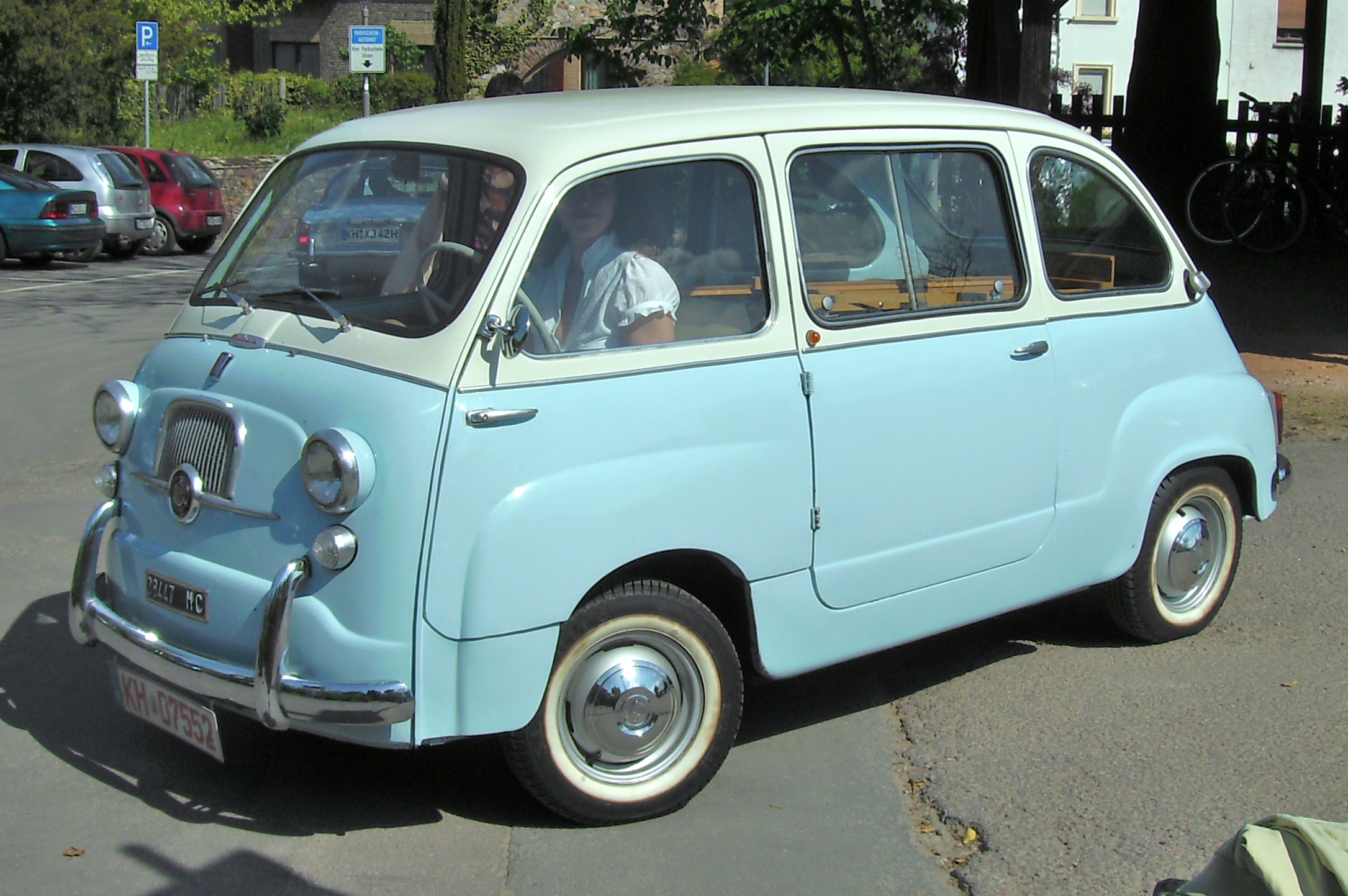
That's where I worry for the 500L's chances, because to my eyes at least the new arrival looks like a 500 that's spent a few weeks gorging itself on the Melton Mowbrays. That's a criticism I'd level at the MINI Countryman too, but then a revisit to the cute lines of Italy's original people carrier, the 600 Multipla, the new Fiat is not.

This 500's extra girth means there's more to love, but the attraction, if you fell for its smaller sister, probably won't be as instant.
Blog, Updated at: 1:48 PM

Fire up the... Ford Focus 1.0 EcoBoost

JOURNALISTS have feet made of lead and a need to get absolutely everywhere as quickly as possible.

That's one of the curious conclusions I've drawn from driving the new EcoBoost version of Ford's Focus, which mates a clever, award-winning new engine with the A* student of the family hatchback class. Make no mistake; it's an intruiging take on one of Britain's selling cars, especially given that nearly a fifth of Focuses being sold are EcoBoosts.

The key ingredient is the engine, which you can also find slotted into the Fiesta, Kuga, B-Max, and, in the fullness of time, the Mondeo too. The top pub fact about this extraordinary new powerplant is that it's physically small enough to fit on a sheet of A4 paper, but thanks to direct injection and a turbo this 1.0 litre, three-cylinder motor more than punches above its weight, being not only the winner of a string of car industry awards but also being potent enough to work in the real world. Smooth, nicely revvy and equipped with 125bhp and 170nm of torque, underpowered this Focus ain't.

The Ecoboost engine works well in the Focus too, with the light weight and characterful performance complimenting the car's reputation for being the family hatch with a sense of fun - keener drivers are going to love its fluid handling in particular. It's keenly priced too, with the Zetec S version I drove weighing at a shade over £19,000, putting on a par with a similarly powerful 1.6 engine but cheaper to run and kinder to the environment.

Or is it? Ford reckons the Focus EcoBoost should be able to get you more than fifty miles for your gallon of unleaded but a quick peek at the trip computer on the particular car I drove showed the journos who'd been driving it around before me had got a shade over 36mpg, and a few minutes in Google's company revealed stories from other reviewers - and owners - who struggled to get anything like the official consumption figures.

I think the Focus EcoBoost is a great package which mates an already accomplished car to an award-winningly good engine, but on the crucial issue of fuel economy I can only conclude either a) it's not quite as frugal as you'd think or b) us car reviewers really are too hamfisted and heavy-footed for our own good.

Until Ford let me borrow one long enough to really how much fuel it sips the jury's out on an otherwise thoroughly good contender for your cash.
Blog, Updated at: 5:25 AM

Fire up the... Volkswagen Golf GTI Cabriolet

PERHAPS it's a case of saving the best for last. Across the country fans of all things Volkswagen are being asked to give the new Golf a go, but in doing so they're missing out on the outgoing model's finest moments.

The sixth generation of Germany's bestseller wasn't exactly left wanting for kudos but that hasn't stopped the company from making sure it goes out with a bang rather than a whimper in the shadow of the slightly longer, roomier and sturdier new model. The Golf GTI Cabriolet covers two bits of automotive territory VW's awfully good at; the hot hatch, which it's been doing since the original Golf GTI of 1977, and the solidly-built ragtop beloved of middle class families everywhere.

Step aboard and it's business as usual for Golf lovers; detractors might call the interior dull, but Veedub fans will be delighted by the seemingly unbreakable build quality and the nice visual flourishes you get with the tartan seats and the subtle red stitching. It's also definitely a ragtop in the traditional sense- no folding metal roof here, sorry - but that's no bad thing because it a) keeps the boot free for things such as luggage and b) keeps the weight down, which means the performance familiar to fans of the GTI hatchback is still there in abundance.

All of which means you can enjoy this car's best feature - its engine, which thanks to having two litres and a turbo to call upon can muster up 208bhp. It's a fabulous bit of hardware which not makes this open-top Golf fast enough to wear the fabled GTI badge with pride but is smooth, rev-happy and happy to play along with enthusiastic driving.

But you can get this engine in the hatchback, which offers more practicality and ever so slightly sweeter handling for £3,000 less than this cabrio's £30k pricetag. Look at this car as an open-top hot hatch and you're missing the point, because it'll almost certainly seem too expensive. See it as a classy, go-faster cabrio that neatly fills the gap left by Saab's 9-3, however, and it's a very tempting prospect indeed.

Now all we need is some proper summer weather to enjoy it...
Blog, Updated at: 7:56 AM

Fire up the... Skoda Citigo

THE ONLY way is up! That's what Europe's biggest car company - the mighty VW Group - are hoping you'll conclude if you're thinking of buying a small car to squeeze into tight parking spaces.

Yet you don't actually have to stump up for a Volkswagen if you're looking to buy the up!, the German firm's smallest offering. Trek down to your nearest Skoda showroom and they'll happily sell you the same car in all but name. That's the joy of the Skoda Citigo.

Skoda, in case you hadn't noticed, stopped making Eastern Bloc oddities years ago and is now quietly taking over the world with a range of cleverly thought-out cars which are usefully cheaper than their VW cousins; the Yeti you'll already know and love, there's a new Octavia saloon on the way, and for anyone thinking of a Golf or Focus there's now the Rapid hatchback too. The Citigo's a bit more obviously related to its siblings - the aforementioned up! and the SEAT Mii - but that's by no means a bad thing.

You get, for instance, the same neatly-proportioned body, although the Skoda's styling is more conservative than the up!'s. You get the same 60bhp, 1.0 litre petrol powerplant with its offbeat engine note, the same gearbox, and the same solidly built, suprisingly roomy interior. You get an awful lot for your money but - and here's the important bit - you get it for quite a bit less than you would if you'd gone for the cachet of the VW badge instead. Depending on which version you go for, you can save roughly between £500 and a grand by opting for the Czech-badged car.

The trickier question, as I mentioned when I drove the up! earlier this year, is whether to go for it over a Fiat Panda, which lacks the Skoda's solidity and style but is roomier and more fun to drive. That's a tough one to call, but if you're dead set on the up! and its siblings you'll be quids in by swapping the Veedub badge for a Skoda one.

Clever marketing or VW shooting itself in the foot? You decide...
Blog, Updated at: 3:50 AM

Fire up the... Range Rover Evoque

TO appreciate this baby off-roader you have to think not in terms of ground clearance, horsepower or litres of loadspace. It is a car callibrated best in column inches, retweets and Facebook likes.

The Range Rover Evoque is, thanks to its near-constant appearances in the likes of Heat and Hello! and the input of Victoria Beckham's style know-how in its inception, one of the coolest cars on the planet right now. It's also one of the hardest to judge with an open mind - not only am I from a family of Range Rover owners, I'm aware too that it's made right here in the north west, in a Liverpool factory and was developed with help from the British taxpayer. Not that you're interested in that. What you want to know is if it's any good.

First impressions are good - the five door 2.2 diesel I tested looks, for want of a better word, fabulous, although its three-door sibling is even more stylish. Sharply creased and with a distinctive squint at the front end, it manages to look like a Range Rover without inducing the environmentalists' irk its bigger brother manages.

In fact, the question everyone's asked me is whether that shallow rear window makes it tricky to see out of, but it doesn't. It is no harder to drive than a Ford Mondeo, which is perhaps no big surprise given the two are - via Land Rover's Freelander - distant relations under the skin. In fact, the biggest dissapointment is that you lose the commanding driving position Land Rover owners know and love, but you'll forgive that because it handles crisply and tidily on even the trickiest of roads.

The price to pay for all of that, naturally, is the price itself; you can get an entry level version for around £28,000 but the ED4 version I drove was nearer to £36,000. If you're more worried about value and practicality you definitely get more for your money by going for the Freelander, but that's missing the point. The quality of the interior, the sportier drive and the looks, to my mind, make the Evoque more than worthy of the extra outlay.

As much as I hate coming to an obvious conclusion the Evoque is just too good for the pop singers and TV stars to keep to themselves.
Blog, Updated at: 2:05 AM

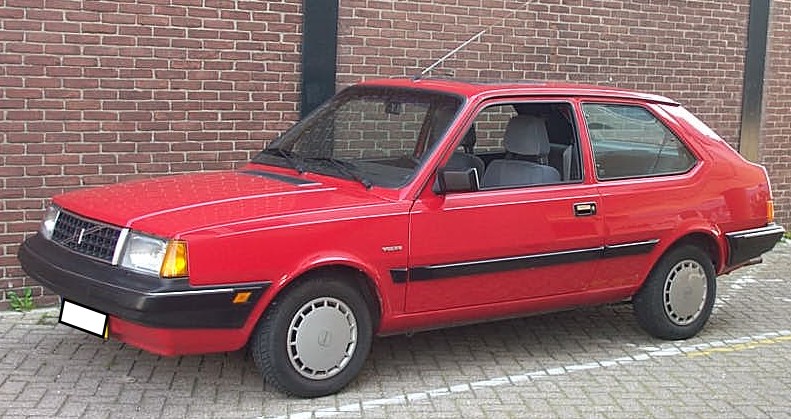
Fire up the... Volvo V40

HERE'S a great petrolhead question to occupy an idle moment or two. What's the first car you ever travelled in?

For most people, it's whatever of chariot of choice is used to convey mother and baby back from the hospital, and even though my dad owned a Range Rover on that fateful day in March, 1986, it didn't fire up its V8 in anger that day. So my first ever automotive outing was in - drumroll please - a Volvo 340.

More than a quarter of a century later I've been promoted from back to front seat in the latest in a long line of Swedish family hatchbacks - Volvo's V40, which is about as far from its square-rigged ancestor as you can possibly imagine. In fact, if anything it looks like a Ford Focus with Scandinavian trimmings, which is apt because you if peel away that swoopy exterior that's near enough what it is. Which is no bad thing.

I've already written in these pages that the Focus is a fine family car contender, but the Volvo offers a similarly sized package with a more mature vibe, with the emphasis on style and quality. Perhaps £27,000 for the 1.6 diesel D2 version I tested is asking a little too much, but hunt a little further down the pecking order and you're getting something which looks and feels like a premium offering but also offers value for your money.

It's a given that it capitalises on Volvo's reputation for safety, coming not only with the practically compulsory five star rating from the gurus at Euro NCAP but a string of accident-conscious acronyms thrown in as standard too, but the great thing with the V40 is that the interior's one of the most stylish I've ever come across. The floating centre console, in particular, is a thing of beauty.

In fact, my only real gripe is that it's traded comfort for fun once you get behind the wheel - it handles as sweetly as its American cousin, but it'd much rather you settle down and relax than have a bit of fun. If you're looking for a car with the bunker-like qualities of the Golf but with a bit more style and vigour you're going to love the V40, but yoofs like me, if I'm being honest, will prefer the cheaper, cheerier Focus. The V40 hits the target for Volvo lovers, but not for me.

Perhaps, despite 26 years and my best efforts, I haven't grown up enough for this voluptuous Volvo.
Blog, Updated at: 3:03 PM

Fire up the... Citroen DS5

IN the unlikely event I get asked to design a luxury car, the Citroen DS5 is probably not too far off what I'd come up with.

Surely what you want in a plushly trimmed motor is plenty of space, some clever gadgets, a comfy ride, and an interior which, while clearly cosseting, shows where a bit of thought's gone into it? Unfortunately, sales of luxury cars suggest you want sportiness and a blue-chip image instead. The best selling luxury car for this sort of outlay is BMW's 3-Series.

So what do you get if you're a middle management type and you plump for Paris over Munich, or Ingolstadt or Stuttgart for that matter? Well, you get the world's first diesel-hybrid system, and a clever one it is too; while a turbodiesel, in the case of the range-topper I tested one with 2.0 litres and 163bhp at its disposal, struts its stuff at the front end, an electric motor offers a helping hand by sending some eco-friendly oomph to the back wheels. Not only does it offer you the benefits of four wheel drive at this time of year, but it keeps things eco-friendly and, as far as the taxman's concerned, cheap to run too.

Yet what really grabs you with the DS5 is the interior. Fans of the smaller, strikingly good DS3 will find themselves in familiar territory, with the same attention to detail with the materials and use of colour but with the added flair of buttons in the roof, Boeing 747-style. It's also far roomier than any of its immediate executive car rivals, thanks to Citroen shunning the saloon norm and going for a sleek hatchback instead.

Admittedly, it's not got the same grin factor to its handling as the smaller DS3 but that's not what this luxury lounger's about - if you do a lot of motorway work and value comfort over thrills, I'd struggle to find another premium offering that does the job as comfortably.

Hand on heart, I couldn't recommend the range-topping DSport versions - not when it's straying close to Jag XF territory - but the mid-range DStyle, which Citroen reckon are going to be the biggest sellers, have got a lot going for them.

As published in The Champion on December 6, 2012


Blog, Updated at: 6:02 AM

Fire up the... Peugeot Partner

A DOUBLE duvet, a mountain bike, and a pile of bags and boxes filled with household clutter. No, not the prizes of some awful Generation Game spinoff but a list of things Peugeot's Partner could swallow with ease.

Trips to the tip are the sort of missions where you'd want the generously-named Peugeot Partner Teepee Outdoor HDi 115 on your side; it really is family man motoring on a truly utilitarian level. Keen students of all things automotive will have already deduced it's the familiar Partner van with an additional helping of windows and seats, but if you're prepared to drop any pretensions of being sporty and go along with its load-lugging groove than you've got the perfect, er, partner. If you strip your family car requirements back to hauling five people and as much luggage as possible, then I challenge you to find a motor more geared up to the task then this one.

Stylish it ain't and it's a big thing, but the tradeoff is the simply enormous amount of room you get inside, and when you aren't using the faintly ridiculous amounts of headroom and legroom in the rear the back seats fold away and the Partner turns back into a van, offering you more luggage space than just about any other people mover for the money. True, the 1.6 version I drove will set you back £17,000 but while I don't think that's too unreasonable, there are plenty of other Partners in the range offering you the same amount of space for even less.

But the best thing about the Partner is that despite its van origins it doesn't alienate drivers who like their vehicles smaller and lower (me, basically). No, it's not going to inspire you with its handling in a bleak corner of Britain's countryside but it disguises its considerable bulk with a welcome dose of handling aplomb, and on the motorway it's a comfortable cruiser which isn't left wanting for turbocharged diesel punch. The only thing I'd ask Peugeot to give the Partner for Christmas is a sixth gear, to help improve the already none-too-bad 44mpg I averaged with it.

The Partner isn't a thriller through the corners or a work of art, but it isn't pretending to be. See it for what it is - a tool which dedicates everything at its disposal to moving people and things as efficiently as possible - and it's a belter.
Blog, Updated at: 3:42 AM

Fire up the... Kia Sportage

THIS is where the smart money in motoring goes. The hard-earned you used to blow on family hatchbacks now goes on trendy, pint-sized off roaders.

It's why the Nissan Qashqai's such a big seller and the Skoda Yeti earns its plaudits; they might not have the mountain climbing ability of a more hardcore 4x4 but they offer their rugged image with the load-lugging practicality of an estate car and friendly hatchback handling in the same package.

Kia's offering in this keenly-contested territory, the Sportage, has one thing immediately in its favour - that it's such a cleanly styled car. To my mind, the company's stylists have been little too liberal with the chrome detailing, meaning it looks more at home on Sunset Boulevard than Lord Street, but not one of the Sportage's onlookers thought it was anything other than a handsome bit of kit. Whip the badges off this thing and you'd swear it was an Audi or Mercedes off roader.

But what isn't at all Mercedes about is the price. True, the 2.0 CRDi 4X4 version I tested was a £22,000 car but this was the range-topper with all the bells and whistles; you can, if you're happy to settle for the 1.6 GDI version, get the Sportage's looks and faintly ridiculous amounts of head and legroom for nearer £17,000. More importantly, it doesn't feel like a cheap car, with the same attention to interior detail which impressed in the Hyundai i30 being used to good effect here. It's also a smooth, refined sort of drive, and while you're never going to get the fluidity of a lower, lighter Focus or Megane if you really thrash it into a corner, the torquey nature of the 2.0 litre diesel in particular makes it perfect for towing caravans in particular.

The Sportage is one of the best entries in a hard-fought corner of the car marketplace. To my mind, only the Skoda Yeti offers a more polished package, but then the Kia pulls out its trump card - a seven year warranty to the Skoda's three.

Your call...
Blog, Updated at: 1:57 AM

Fire up the... Peugeot 208

PEUGEOT'S back on the ball, if the new 208 is anything to go by.

The French firm's built up a fine reputation for building feisty hatchbacks with a sense of fun - as anyone familiar with the 205, 306 and 106 will surely testify - but to my mind at least the more recent models, particularly the 207, never really caught the imagination in the same way. Deep down, I reckon that's why Peugeot's pulled out all the stops to get it right with its latest supermini contender.

For starters, it looks good, with a sharply-sculpted shape and carefully chosen proportions which at a stroke render the old 207 a bit blobby and comparision. It's the same story on the inside too, with interior fabrics and plastics which owe plenty to its big brother, the 508 saloon. The main thing which strikes you is the unusual way the controls are laid out - you look over the steering wheel to see the dials, rather than through it - but it's as intuitive as it is innovative. Same story goes for the tablet-style computer sitting atop the centre console, although I suspect having an actual iPad dock there instead might have been a smarter move.

But the best thing about the 208 by far is the way it drives. You'd expect that the 1.6 Feline version I tried wouldn't be lacking in pace - at £16,895, it's holding the warm hatch fort until the eagerly-anticipated GTi version arrives - but where it really shines is in the fluidity of its handling and in its natural agility in the sort of low-speed urban darting in and around town.

For the past three years I've always argued the Fiesta is the best of the superminis but the 208 is now a better looking, more entertaining and technologically superior package to Ford's finest. After a couple of years in the hatchback wilderness, Peugeot's got its mojo back and produced one of the best cars I've driven all year.

Now all they need is for the 208 GTi to be an absolute belter.
Blog, Updated at: 7:28 AM

Fire up the... Land Rover Defender X-Tech

NEVER meet your heroes, the saying goes. That's why I approached the latest version of what's an off-roading icon with just more than a touch of trepidation.

The Land Rover Defender needs little introduction because everyone in Britain is familiar with its boxy shape; it has, after all, been with us since the days of Spandau Ballet and Michael Foot vying to be Prime Minister.

Despite a series of calls to replace it with something a bit more modern and friendlier to the environment it's soldiered on regardless, doing useful duties for people like farmers and the British Army. It's also at this point I have to declare an interest; not only am I faithful follower of all things Solihull and a longstanding 4X4 fan, but my parents, for the best part of a decade, owned a Defender.

This X-Tech is Land Rover's attempt to give that old recipe a bit of 2012 street cred, which explains the snazzy silver paintwork, the black alloy wheels and the mean grille. It's not a paintjob you'd particularly want to scratch if you actually went off road, but I suspect most of the X-Tech's buyers will be more swayed by the style than a burning desire to utilise its reputation as motoring's mountain goat. Which I can understand because the X-Tech is a seriously mean looking bit of kit.

I know that not venturing into the undergrowth in a Defender is a bit like slipping on a set of stout walking boots to pop to the shops but I did get to try the X-Tech in its more likely natural environment; on the road, where it's rubbish. I know it's a high rise off-roader that's been around for nearly 30 years but if you're more used to modern 4X4s then you'll find the roly-poly handling, the wind noise, the noisy but not especially fast performance, the lack of elbow room and the dated switchgear hard work. It's also, at £27,000, not especially cheap either.

But without venturing off-road to see how the X-Tech performs as Land Rover intended this is only the half the story - consider it unfinished business. If, however, you're like most 4X4 owners and don't intend on scaling anything tougher than a kerb in a supermarket car park then it's a bit of a mixed bag. It's a seriously cool, no-nonsense machine that doesn't pretend to be anything it isn't, but it's not for everyone.

The X-Tech's far from perfect but I couldn't help but enjoy it.

As published in The Champion on November 14, 2012
Blog, Updated at: 9:19 AM

Fire up the... Citroen C1

YOU'D be forgiven for thinking that, like the US presidential election, there's only been two candidates vying for your vote in this year's small car battle. It's a straight choice between VW's Up - flanked by its Skoda and SEAT sister models - or Fiat's funky new Panda.

There is, however, a trio of equally engaging city slickers which have been missing out on most of the limelight thanks to the new arrivals. The Peugeot 107, Toyota Aygo and Citroen C1 - which are all effectively versions of each other - might have been around for ages, but thanks to some automotive nip ‘n' tuck and generous pricing they've still got plenty to offer.

The one I tried, Citroen's tiny C1, is still looking fresh thanks to a particularly effective facelift which gives it a cheekier front end than its immediate predecessor. It's a vibe that extends to the interior, with lots of body-coloured metal lining the doors and a single, enormous speedometer with a rev counter popping out of it, MINI style. True, it feels a little cheaper and flimsier than its much newer rivals but it's nicely laid out and more than well equipped for something which makes a virtue out of being small and simple.

Which brings to me to the chief joy of the Citroen's smallest offering - thanks to the engineers' obsession with saving weight, the C1 is lighter than a helium-filled malteser and about as entertaining as a result. Because there's so little weight, the 68bhp its engine serves up feels far more energetic than you'd think, and it darts down the narrowest country lanes and town centre streets with a natural agility. While it'll do motorway work more than easily enough, this car really shines when things get narrow and congested.

The Up and its siblings still feel more solid than the C1, and there's no doubt the Panda's roomier, but haggle a good deal on a C1 and you'll be laughing all the way to the bank with a small car that still makes you smile.
Blog, Updated at: 2:19 AM
Copyright © 2014. Interior Designs - All Rights Reserved
Template by seocips.com
Template Published by template.areasatu.com
Powered by A1
Back to top